Understanding “Organic” Food
WHAT DOES IT MEAN WHEN A FOOD IS LABELED ORGANIC?
Organic foods are foods that are grown and processed using government-regulated farming methods. Organic farming and foods use:
- No synthetic fertilizers or pesticides
- No antibiotics or growth hormones for livestock.-
- No genetically modified ingredients or GMOs
- No artificial flavors, colors or preservatives
- No sewage sludge
- No radiation on foods
Organic food is not necessarily pesticide-free as natural pesticides may be used in the production of organic foods. You may also see the term “certified organic.” To be certified USDA (U.S. Department of Agriculture) Organic, farms and food producers must meet certain standards. Only products that contain at least 95% organic ingredients can be certified organic and display the USDA seal. Natural is not the same as organic because the term organic refers to how food is processed in addition to the food itself Organic foods include fresh produce, meats, and dairy products as well as processed foods such as crackers, drinks, and frozen meals.
WHY DOES IT MATTER?
Organically-grown food products are healthier as they do not contain pesticides, additives, antibiotics or other chemical residues. They are also less harmful to the environment than foods grown with conventional farming and uphold the ethical treatment of livestock.
When it comes to organic vs. non-organic foods, organic foods offer:
- Reduced exposure to pesticides and insecticides. This is a significant benefit of organic produce and grains.
- Increased exposure to omega-3 fatty acids. Livestock fed through grazing usually have higher levels of omega-3 fatty acids, which provide healthy heart benefits.
- Less exposure to cadmium. Studies have shown significantly lower levels of the toxic metal cadmium in organic grains. Cadmium is naturally found in soil and absorbed by plants.
- Increased levels of vitamins, minerals, antioxidants and other beneficial micronutrients. Organically grown fruits, vegetables and grains have higher amounts of vitamin C, vitamin E and carotenoids. They also have higher amounts of the minerals calcium, potassium, phosphorus, magnesium and iron.
- Less bacteria. Less exposure to bacteria in meat.
- Less exposure to antibiotics. Eating organic meats leads to less exposure to antibiotics and growth hormones that have been used to treat livestock. These medicines may lead to antibiotic resistance and other problems in humans.
HOW DO WE EAT ORGANIC?
Read the labels! The biggest downside to organic foods is higher production costs, which are passed on to consumers. That means that it costs more money to eat organic foods. If you want to buy organic foods but can’t afford to do so for all of your produce, the Environmental Working Group [ewg] reports the following fruits and vegetables have the highest and lowest pesticide levels when not purchased organic. It may be best to buy organic options for produce with the highest pesticide level.
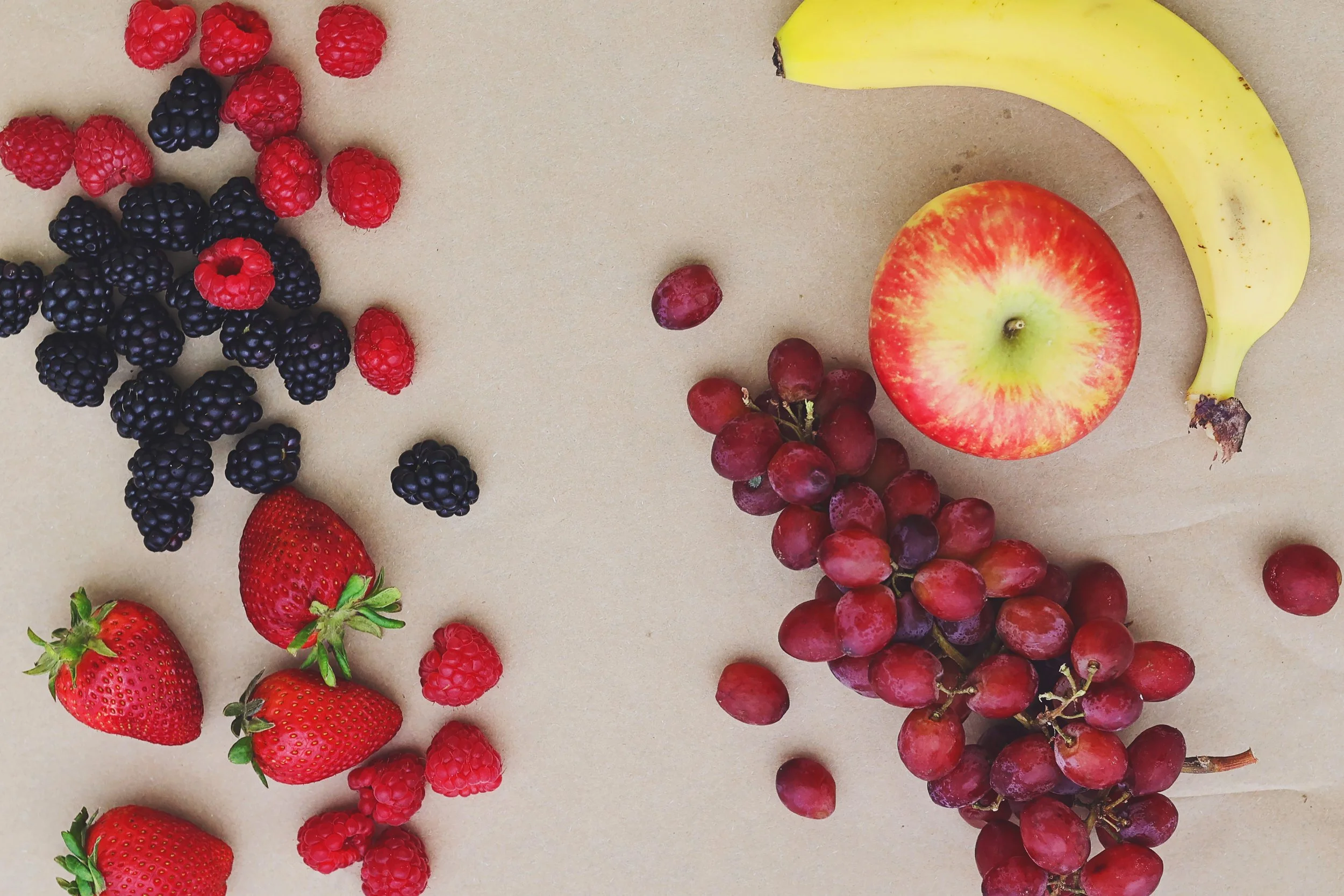
Highest pesticide levels: Strawberries, Spinach, Kale, Collards and Mustard Greens, Nectarines, Apples, Grapes, Peaches, Pears, Bell and hot peppers, Cherries, Blueberries, Green beans.
Lowest pesticide levels: Avocados, Sweet corn, Pineapple, Onions, Papaya, Asparagus, Mushrooms, Cabbage, Honeydew melon, Kiwi, Carrots.
If you can’t afford to purchase organic produce, washing and scrubbing fresh fruits and vegetables under running water can help remove bacteria and chemicals from the surface of fruits and vegetables. Peeling fruits and vegetables can also remove surface pesticides, but this also reduces nutrients.